Wednesday, May 29, 2013

Minnesota

Minnesota has a diverse geography of at least four regions: Eastern Broadleaf Forest, Plains, Laurentian Mixed Forest and Tallgrass Aspen Parkland. Approximately a third of the state is forested. The Mississippi river originates in Minnesota and Minneapolis is built along it. The capital and second largest city of Minnesota is St. Paul. The largest city is Minneapolis, the third largest is Rochester and the fourth largest is Duluth. The Minneapolis-St. Paul Metro area has about 3.3 million people and is the 16th largest metro area in the United States. Minnesota is often known a state with an abundance of water. In addition to more than 11,000 lakes, there are over 6,500 rivers and streams in Minnesota. The state experiences a wide array of temperatures, from a record low of -60 degrees Fahrenheit (-51 Celsius) to a record high of 114 degrees Fahrenheit (46 Celsius).

File:Saint Paul, Minnesota 9.jpg
Skyline of St. Paul, Minnesota. Photo by: AlexiusHoratius

File:BlueMoundsStatePark.jpg
Blue Mounds State Park, Minnesota. Photo by: Kirs10

File:View from Eagle Mountain Minnesota.jpg
View from near the top of the highest point in Minnesota, Eagle Mountain. Photo: Douglas Kaye, 2006.


File:Lima.mtn.Summit.view.jpg
Summit of Lima Mountain, Cook County Minnesota. Photo: Pete Nekola.

File:Bear Head Lake State Park.JPG
Bear Head Lake, Minnesota. Photo: McGhiever

Monday, May 27, 2013

Luxembourg

Luxembourg is one of the smallest countries in the world, in area and population. It is a landlocked country in Europe and is bordered by France, Belgium and Germany. There are three official languages of Luxembourg; French, German and Luxembourgish. The Luxembourgish language is spoken by about 400,000 people in the world and has borrowed many French words. When Luxembourg is grouped with The Netherlands and Belgium it is sometimes referred to as being a part of 'Benelux'. The name 'Benelux' is formed with the first few letters of each country: Be= Belgium ne= Netherlands lux= Luxembourg. Luxembourg City is the largest city in Luxembourg with almost 104,000 people and is also the capital of the country. With nearly 30,000 people, Esch-sur-Alzette (Which is French, it is known as Esch-an-der-Alzette in German), is the second largest city in Luxembourg.

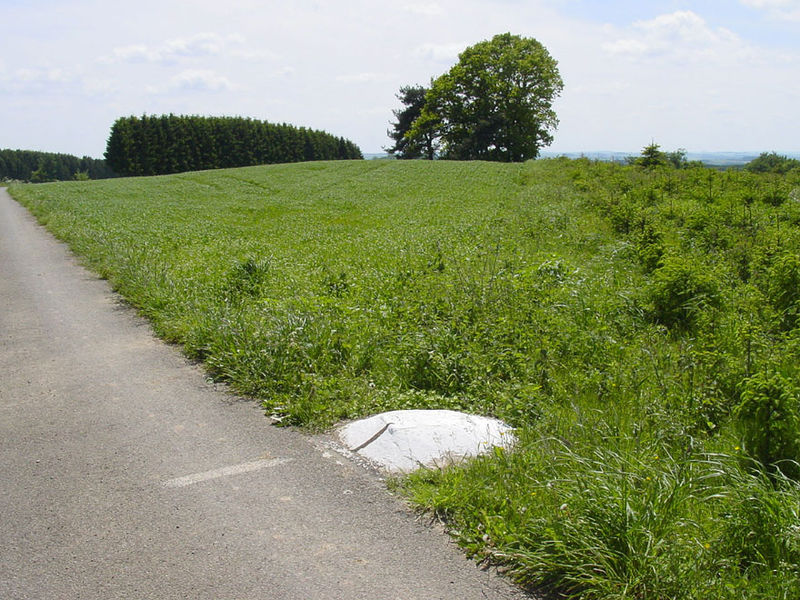
File:Kneiff.jpg
Kneiff, the highest point in Luxembourg at 1,837 feet (560 meters). Photo by David Edgar.


 File:Esch vum Bierg1.JPG

Picture from Esch-sur-Alzette, the second largest city in Luxembourg.

File:LuxembourgOMCmap.png
Map of Luxembourg


Thursday, May 23, 2013

What Is An Archipelago?

No, an archipelago is not a music theory term; it is a geographic term for a group or chain of islands in close proximity to each other.

Some of the most well known examples include Indonesia and the Philippines, while well known countries that many might not realize are archipelago's include Japan, New Zealand and the United Kingdom. There are many archipelagos in the world, including Vanuatu, Solomon Islands, South Orkney Islands, Åland Islands, Canary Islands, Seychelles Islands, Florida Keys, Aleutian Islands, Balearic Islands and many more. Some, like the Ryukyu Islands, are a part of larger archipelagos; the Ryukyu islands being a part of Japan. Even freshwater lakes can have archipelago's, Lake Erie has the uncreative yet effectively named Lake Erie Islands. Here are the maps of two archipelagos:

File:Map of the Canary Islands.svg
Map of the Canary Islands. Map credit: Wikipedia user: Mysid

http://upload.wikimedia.org/wikipedia/commons/6/6e/AleutianIslands.jpeg
1916 map of the Western Aleutian Islands in what was then the Alaska Territory.


Thursday, April 5, 2012

Undeciphered Writing Systems

In the back of my mind I have always had an interest in undeciphered languages, codes and ancient languages. Most of them are bizarre and wonderful looking, like Chinese characters, Cuneiform or Mayan glyphs.

The belief by most researchers is that writing has emerged as an independent invention only a few times on earth. Once in the Middle East. Second in the New World by the Olmec and later Mayans. A third time probably in China. Finally, if it is not a hoax and if it was invented before European contact a fourth time in the Pacific on Easter Island. If there are any other languages which were independently invented, even known ones it might never be known.

Many ancient writing systems have been deciphered. However, many still have not. Due to a paucity of examples in some cases it is likely some will never be solved unless new examples emerge.

I decided to organize the data on a few of the more important undeciphered languages into a chart. I love charts and prefer getting data that way over a bunch of ponderous writing.


Undeciphered Writing Systems calebgolston.blogspot.com
Permission Is Granted To Copy And Paste And Use This Chart.


Sources:

http://www.ancientscripts.com &amp

Wikipedia

Thursday, December 1, 2011

Year 1 Top 5: First Place: Iceland

Year 1 Top 5: First Place: Iceland
Originally Posted: Saturday, October 29, 2011

Reason I choose it to be in the top five:
"Iceland possesses a spooky and otherworldly quality. It's awe inspiring majesty can be described as nothing less than the great Viking vision of Valhalla."


ORIGINAL ARTICLE:

File:Skaleyjar-fjara.jpg
Skáleyjar á Breiðafirði, photo by Salvor Gissurardóttir, june 2006 coastline on the road from the landing place to the farm.

As I gathered these pictures of Iceland, I was truly blown away by the beauty of this place. Of all the countries and places I have covered so far I think this batch of pictures is the best.

Iceland is a small country. It only has 300,000 people, most of Viking descent. The island is cold, but not as cold as other places of the same latitude, why, if not for the Atlantic Gulf stream it would be frozen and barren.

Several animals have become distinct after hundreds of years of isolation in Iceland. There is a specific type of horse, sheep and dog unique to Iceland due to isolation.

Iceland is very volcanic. The center of the country is harsher than the coast and is colder and drier. Iceland is somewhat isolated but enjoys an extremely high standard of living. Icelander's on average are some of the longest lived (3rd overall and 1st in the world for men) and wealthiest people on the planet.


Flatey Thorp, 27 August 2004(2004-08-27)         Photo: Kolbrún Ragna


Hvammsfjördur in Iceland 2005


Breiðafjörður, Iceland By: Reykholt 13:21, 25 May 2004 (UTC)

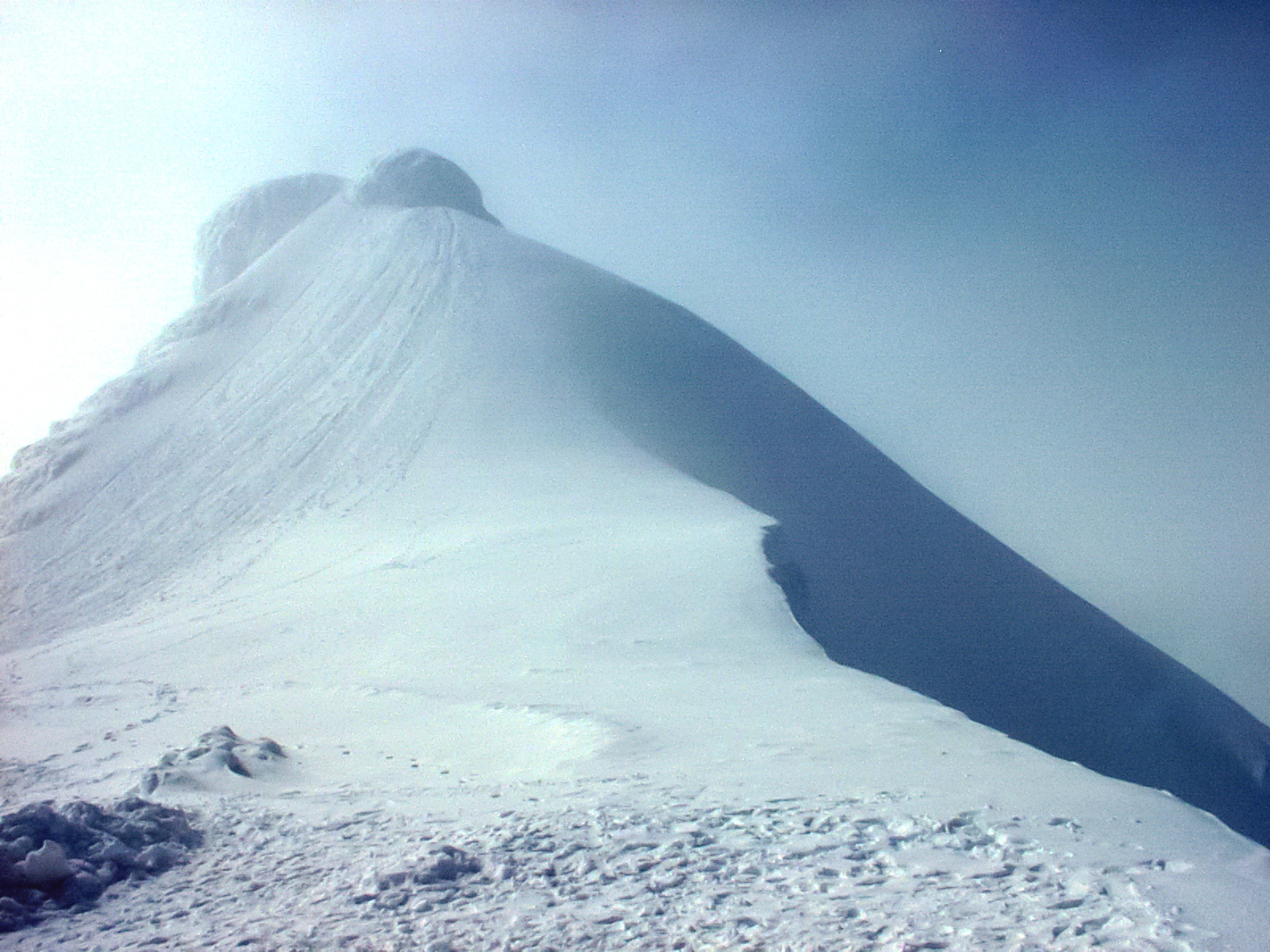
File:Snaefellsnes-Snaefellsjökull-Summit-20030529.jpg
Snaefellsnes Snaefellsjökull Summit. 29 May 2003 --Jutta234


 Church in Hellnar village with Snaefellsjökull volcano, Iceland. Chmee2/Valtameri

File:IcelandicHorseInWinter.jpg

An Icelandic horse near Krýsuvík. Andreas Tille

File:Pair of Icelandic Sheep.jpg
Icelandic Sheep, Photo: Thomas Quine 26 July 2007(2007-07-26). Photo

File:Ulfur.jpg
An Icelandic sheepdog, Photo: Arni Einarsson.

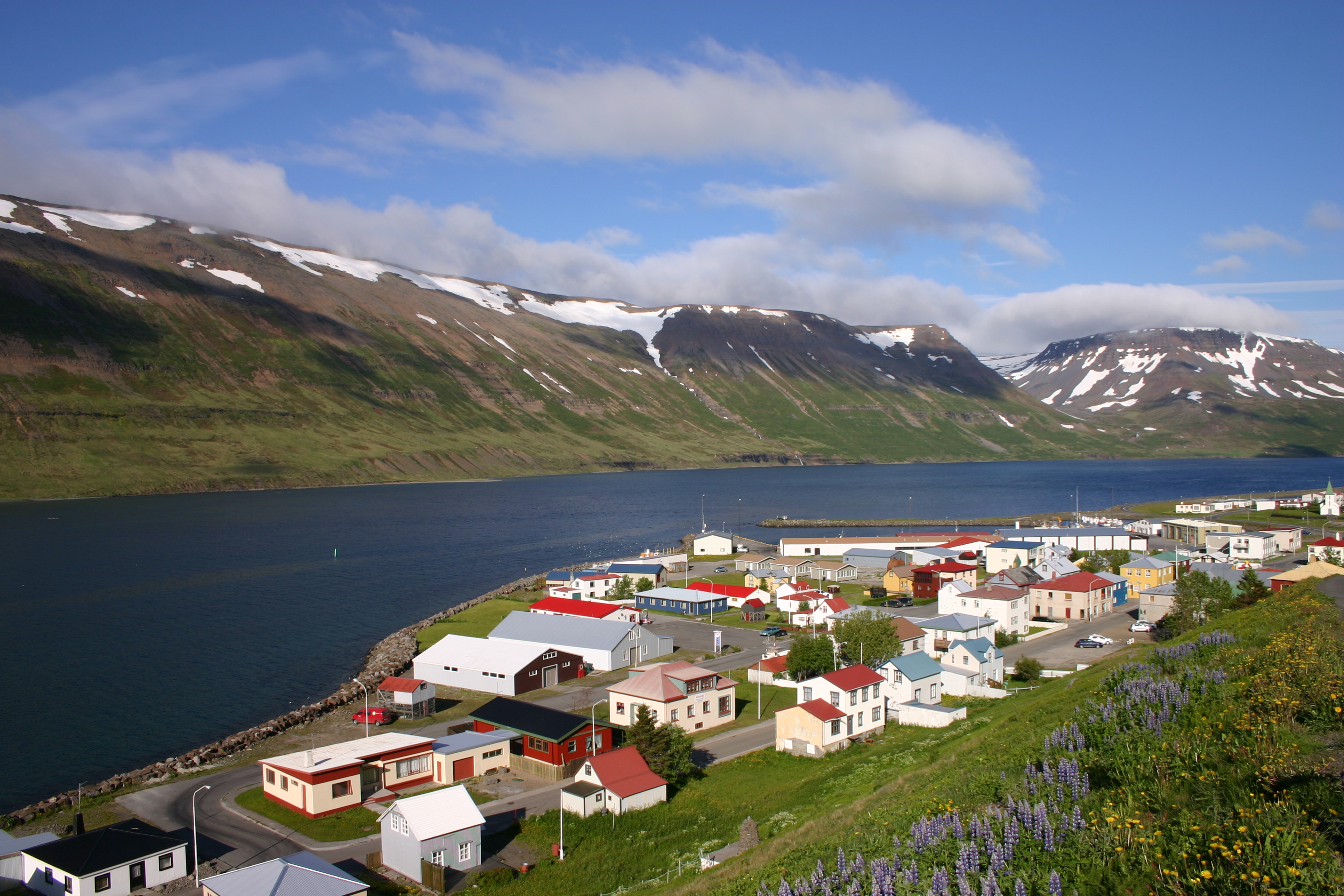
File:Iceland2008-Sudureyri.JPG
Sudureyri, Iceland, June 2008. Photo: Brad Weber.


Isafjordur (Ísafjörður) January 2006 Photograph: Aron Ingi Ólason

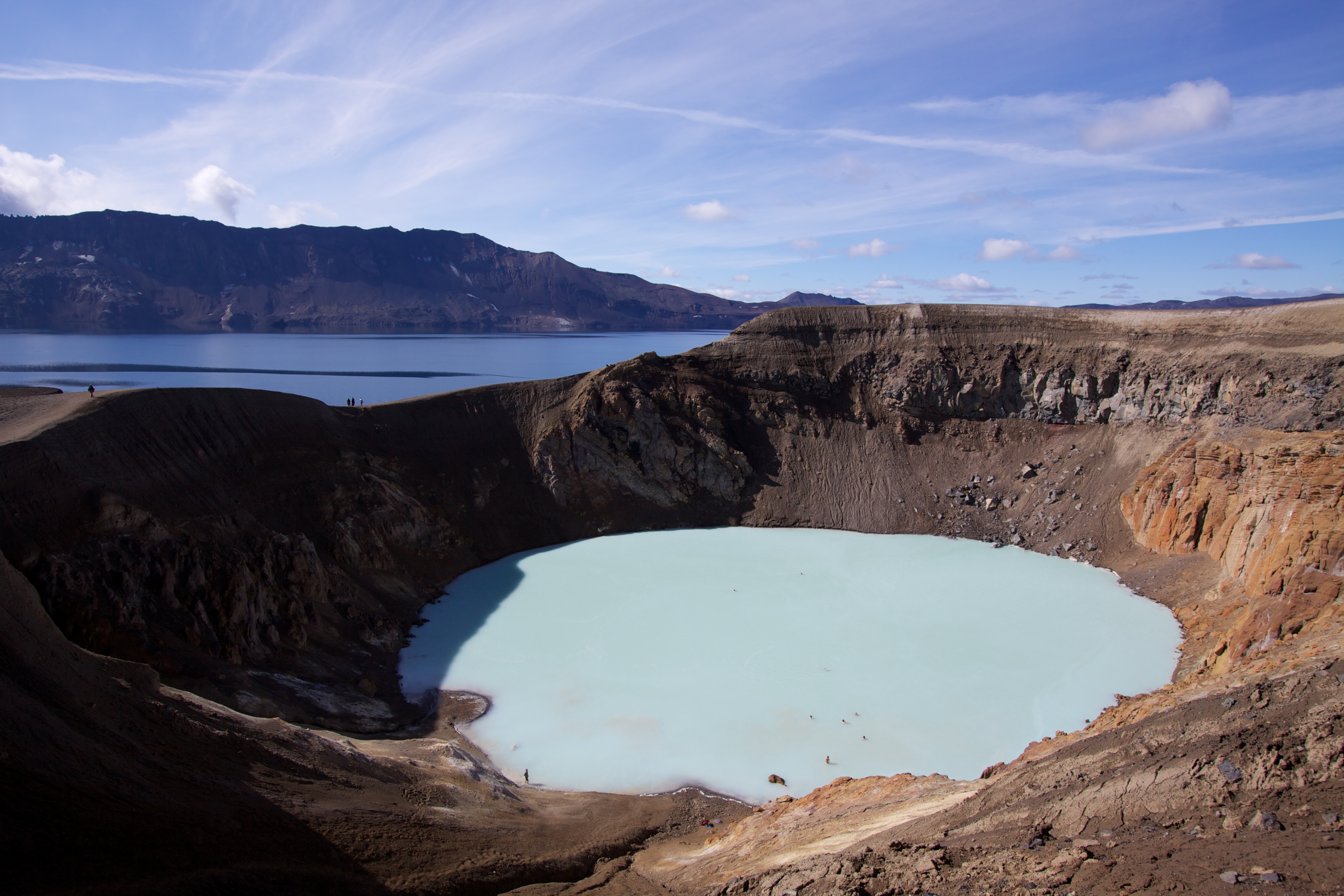
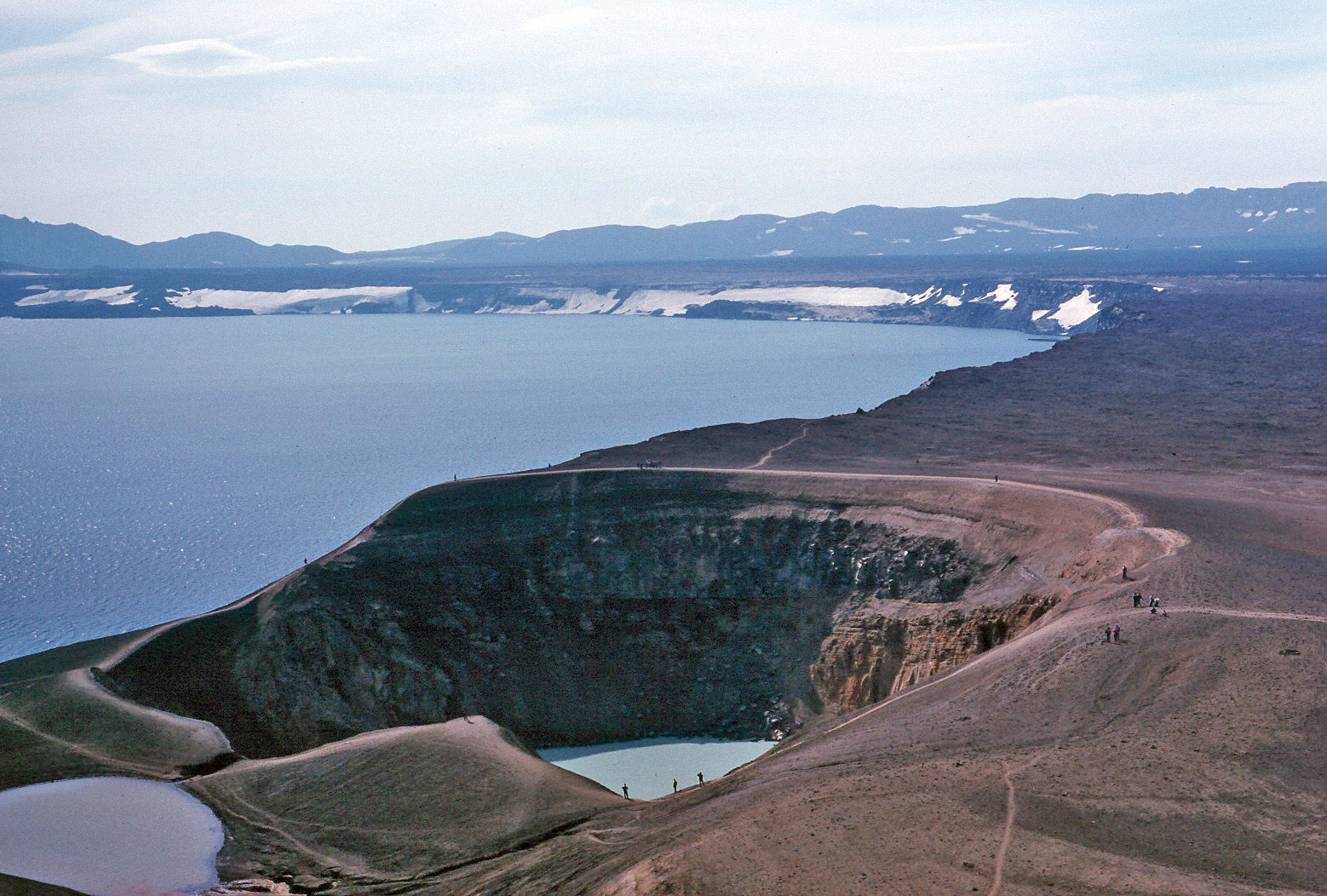
File:Viti geothermal lake at Askja.jpg
Víti, the geothermal lake at the Askja caldera, Iceland. August 1, 2010. Photo: Boaworm

File:Island Askja.jpg
Askja caldera 1991. Photo: Wolfgang Beyer.

File:Reykjavik, Iceland-13July2011.jpg
Reykjavik, Iceland. View from the top of Perlan showing the spire of Hallgrímskirkja. 13 July 2011(2011-07-13), Srikanth Jandhyala.

File:Drangajökull.jpg
Drangajökull glacier in the Westfjords region in Iceland. August 2000. Photo: AgainErick

File:Porisjokull.JPG
If you need a wide open space, Þórisjökull (Thorisjokull) is the place for you. 3-18-2007 Photo: Bromr

File:Kjolur-voldesert.jpg
Kjölur, the central highland desert of Iceland. Photo: Algkalv. 18 July 2009(2009-07-18) Ph\

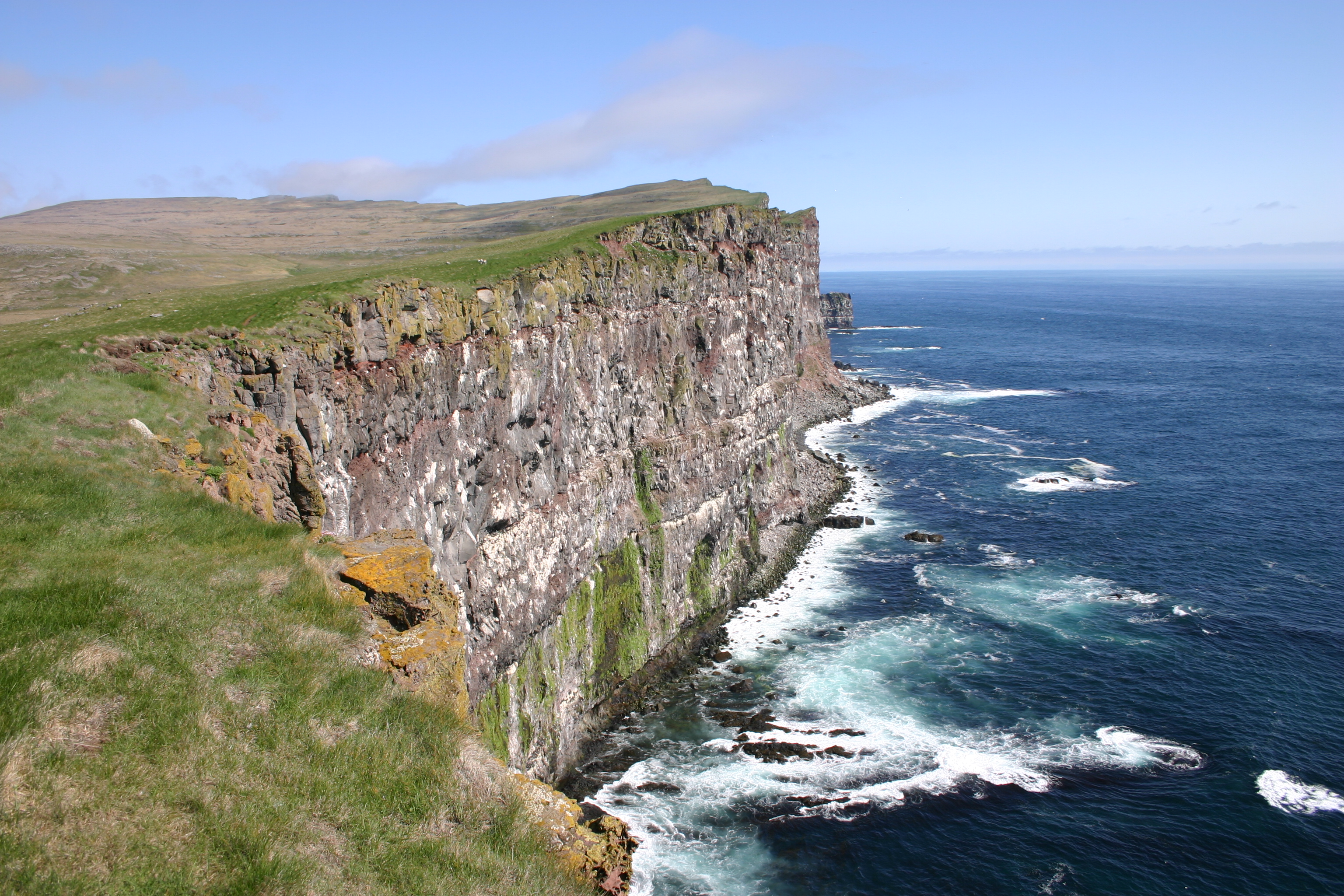
File:Iceland2008-Latrabjarg.cliff.JPG
Cliff near Latrabjarg, Iceland. June 2008. Photo: Progresschrome

File:Iceland2008-WestFjords4.JPG
Westfjords, June 2008 Photo: Brad Weber.

File:Jökulsárlón 002.jpg
Bridge over Jökulsá á Breiðamerkursandi at Jökulsárlón, Iceland. 26 July 2009(2009-07-26). Photo: superbass

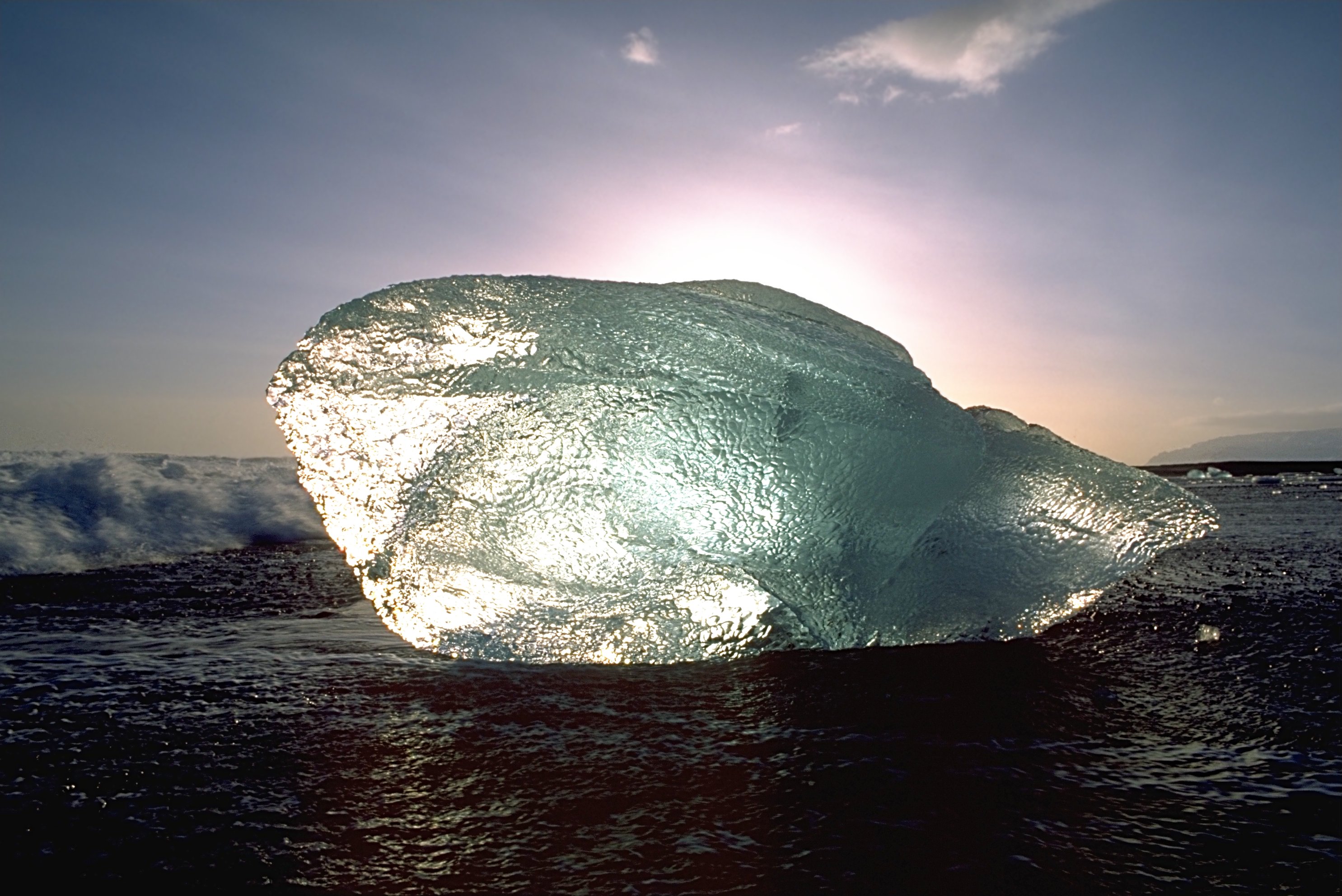
File:IceBlockNearJoekullsarlon.jpg
Ice block at beach near Jökulsárlón, Iceland.  11 February 2003(2003-02-11).P Photo: Andreas Tille

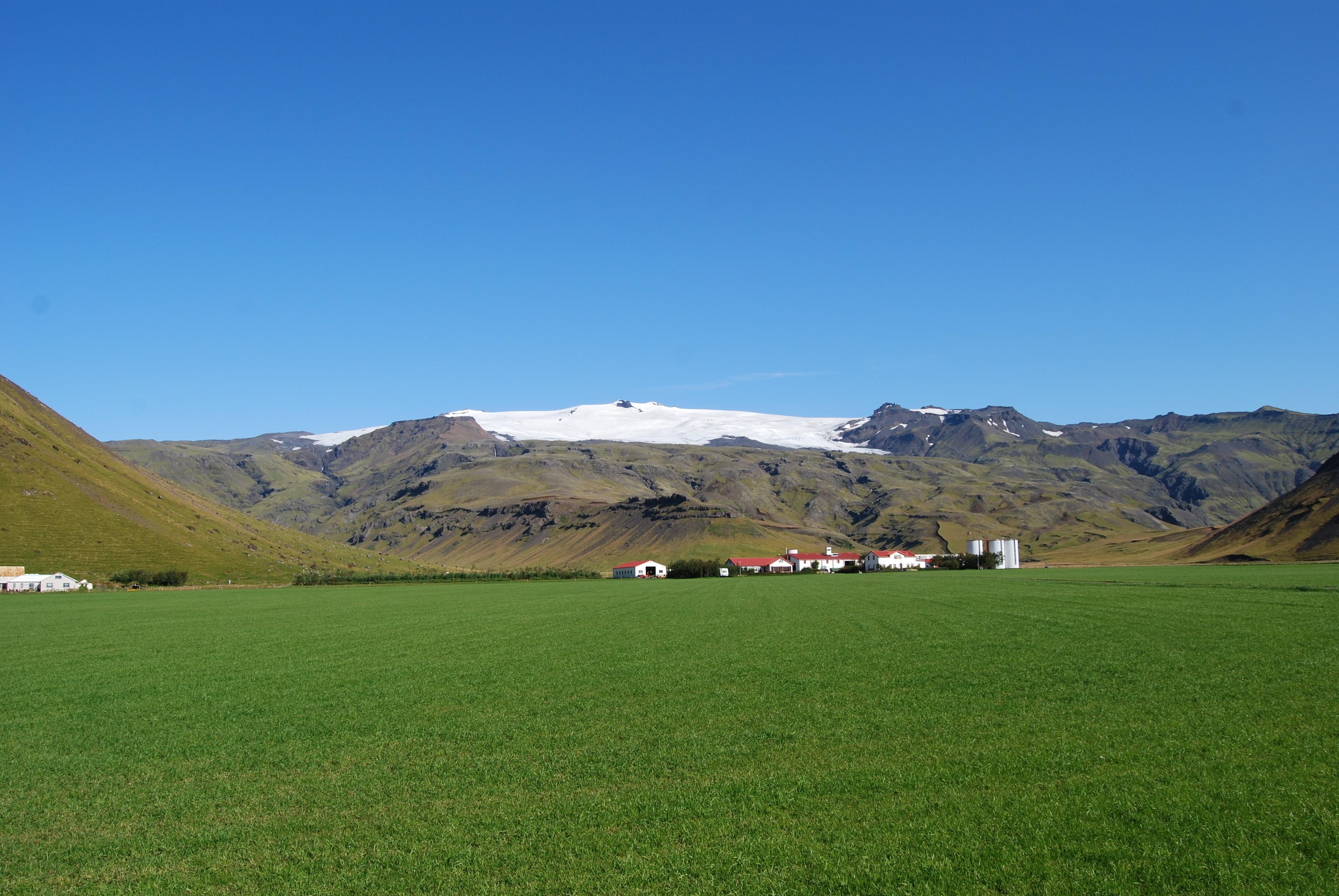
File:Eyjafjallajökull Glacier - 29.8.09.jpg
Eyjafjallajökull glacier, taken from the Iceland Ring Road, during a trip on 29 August 2009. Photo: Remy Osman.


The mighty, beautiful and infamous E15 or Eyjafjallajökull. Photo: Boaworm 27 March 2010.

File:Hveravellir 02.jpg
Thermalgebiet in Hveravellir. 1 July 1988 Photo: Christian Bickel.


Norðfjörður Photo: ericoides August 2008(2008-08). Photo

File:Eyjafjallajökull Glacier - 29.8.09.jpg

File:Fimmvorduhals 2010 03 27 dawn.jpg

Year 1 Top 5: Second Place: Russia

Year 1 Top 5: Second Place: Russia
Originally Posted: Tuesday, July 5, 2011

Reason I choose it to be in the top five:
"I was surprised at just how bleak much of the landscape in Russia is but more surprised at how much it intrigued me. Russia is the vastest place on earth and contains an astounding amount of natural resources and natural beauty."


ORIGINAL ARTICLE:

After a week off from posting (call it a holiday) I am filing this one on Russia!

The topic of Russia is vast. The history, archaeology and geography each could be a blog. Russia is easily the largest country in the world by land area. It is the 9th largest in population behind Nigeria and ahead of Japan. Much of the land is harsh--but it is beautiful. The capital and largest city is Moscow (Москва). Saint Petersburg (Санкт-Петербург) Novosibirsk (Новосибирск), Yekaterinburg (Екатеринбург) and Nizhny Novgorod (Нижний Новгород) round out the top 5 cities in Russia.Within Russia is 1/4th of the worlds fresh water, 100,000 rivers and the worlds largest timber reserves. Also, Russia has the second most total renewable water resources after Brasil.

Russia is a powerhouse in intellectual fields such as mathematics, science and strategy games (like chess). Russians are also a growing power in the music production field (which I am involved in). Some notable people from these fields include Grigori Perelman, Yakov Eliashberg, Nikolai Efimov, Albert Shiryaev and Garry Kasparov.

At different points in history, Russia has been considered a 'super-power'. Now, few would say it is. However, this could (and I think will) change soon. If the West continues its mindless direction, the future is Asia's and Russia is included in this. Russia is rich in oil and natural gas, a sure sign of strength. Rail transportation in Russia is dominated by Russian Railways, a monopoly which employs 950,000 people. The economy continues to improve for Russians.

Russia's physical geography is immense. Within Russia are many mountain ranges, lakes, rivers, deserts and tundra, taiga and almost every type of landscape. The land can be bleak but this makes it interesting. Cities are found all across Russia. From the northern most natural border with the artic to the eastern most natural border with the vast bering sea. Many parts of Russia get as cold as anywhere on the planet. The continental climate of much of Siberia means it also can get hot, sometimes, 99 degrees. I am definatly going to write more on Russia in the future.
File:Осетр река.jpg
Osyotr river (Осётр река) 


File:Kazan church edit1.jpg
All Religions Temple. A building and cultural center build by the local artist Ildar Xanov. Photo and description: Maarten


File:PeterhofGrandCascade.JPG
Peterhof, St. Petersburg

File:Serpeevka village.JPG
Outskirts of Serpeevka village. Cleyabinsk region, Russia. Окрестности деревни Серпеевка. Челябинская область, Россия. Photo: Скампецкий


File:Abakan16.jpg
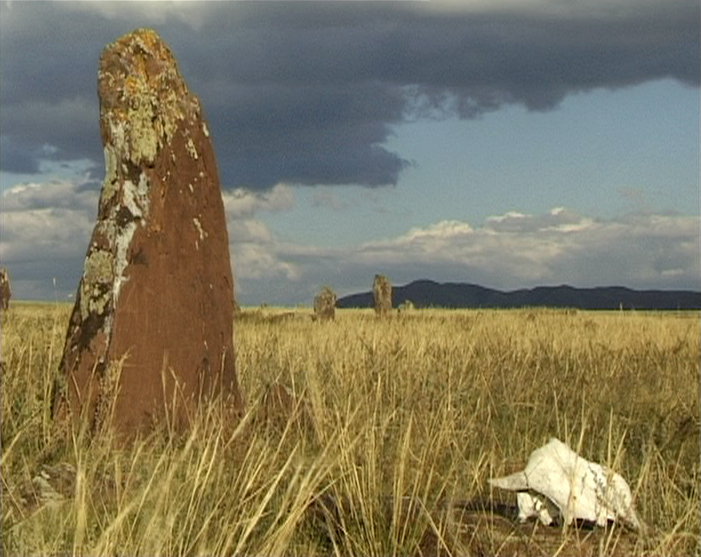
Megalith near village Kazanovka in Republic Khakassia, Russian Federation. Photo by Anatoly Terentiev, 13 September 2000.
File:Abakan24.jpeg
Khakassia view. Photo by Philipp Poddubitsky, 14 October 2000.

File:Abakan09.jpg
Megalith near village Safronov in Republic Khakasiya, Russian Federation. Photo by Anatoly Terentiev, 13 September 2000.

File:Кезеной Ам (Kezenoy Am).jpeg
Kezenoy Am (Кезеной Ам), 29 July 2009. Photo: Agidel


  File:Petropavlovsk Kamchatsky at night.jpg
Petropavlovsk Kamchatsky at night.
 
File:Amga.jpg
Amga
 
File:Altai Kutscherla-See.jpg
Altai, Lake Kutsherla in Altay Mountains, Russia 2001. Photo: Stefan Kühn.


File:BaikalForest (pixinn.net).jpg
Taiga Forest near Lake Baikal, Russia, 2008. Photo: Christophe Meneboeuf.


 File:Ignateva cave entry.jpg
Ignateva cave entry 2009 (Вход в Игнатьевскую пещеру) Photo: Sultan Brukhanov.

File:Hjortron.jpg
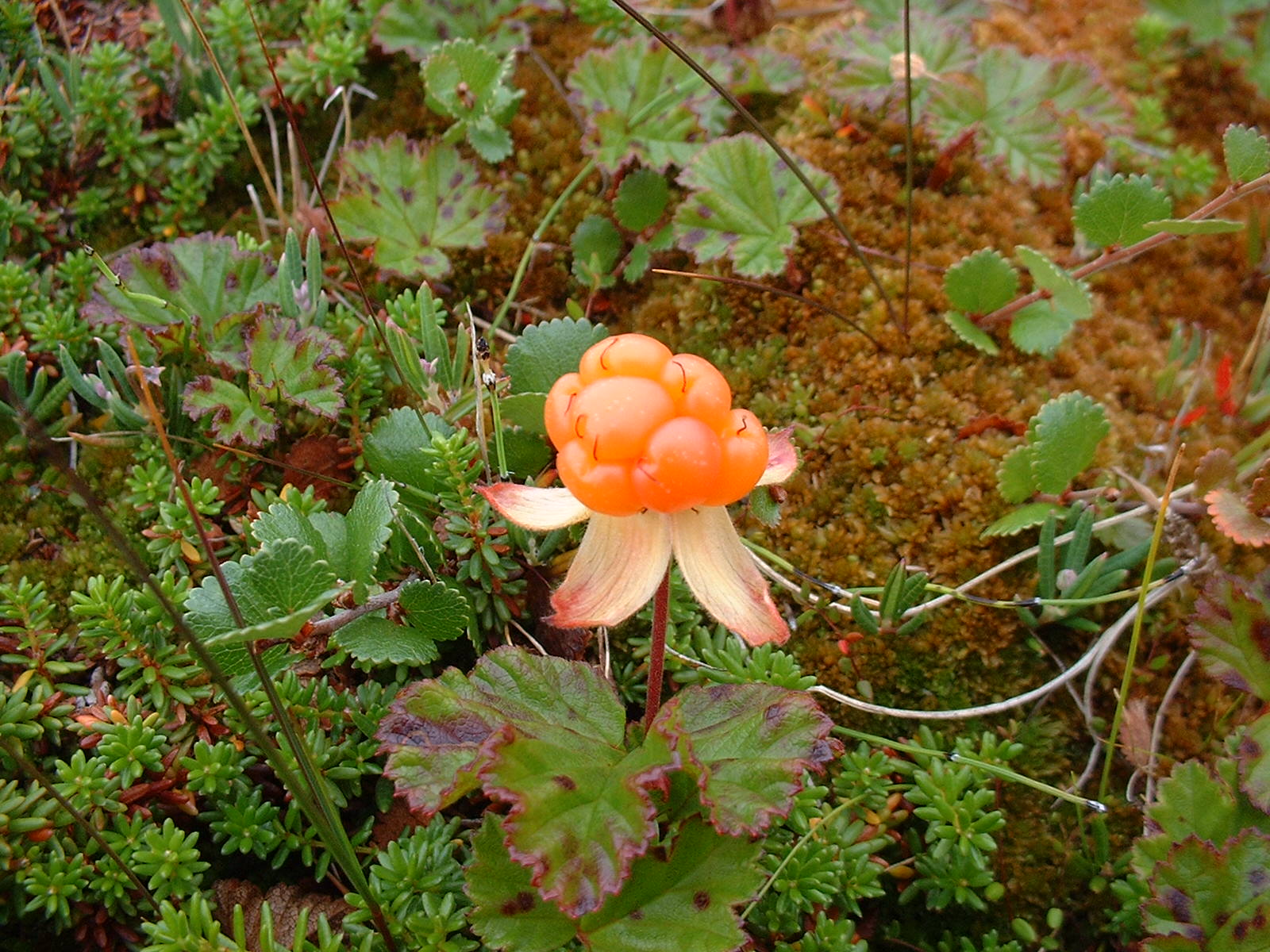
Ripe Cloudberry (Rubus chamaemorus), February 2006 common to the Urals. Photo: Philipum.


File:Ob river.jpg
Ob River (Река Обь) Photo: Игоревич

File:Uvs núr.JPG

Lake Uvs (Убса) Photo: Jan Sysel.

^^Look how desolate the above picure is! Just earth and water, nothing else. It is stark, vast and a contradiction of inviting and uninviting. On the one hand, I would like to be there and see this place, on the other hand, I wouldn't want to be there forever.

File:Yakutsk 1 (synchroswimr).jpg
Yakutsk, 2007. Photo: "synchroswimr"/Stacy

*Caleb's Sidenote: Doesn't this picture look like it could have been taken in the 60's, 70's or 80's (it is dated 2007) ? I think Russia is fasinating, but it seems VERY depressing in some parts.

File:Lone-maiden-formation.jpg
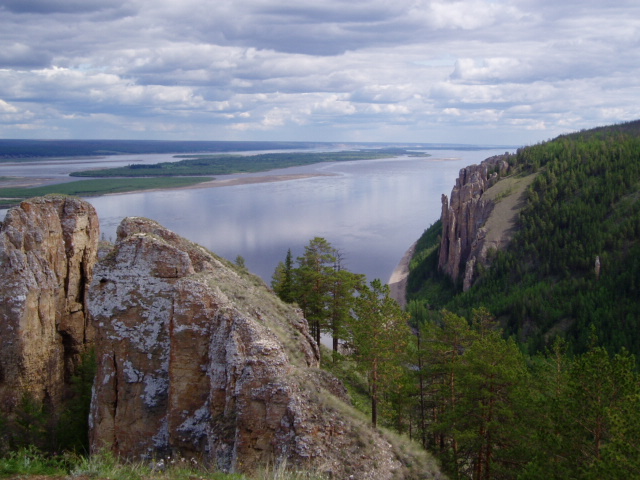
Lone Maiden Formation, Lena River.

File:Ferroviacircolarebaikal.jpg
Circum-Baikal Railway, southwestern tip of Lake Baikal.

File:Buchta Nagajewa (Magadan).jpeg
Nagayevo Bay near Magadan, Russia (Бухта Нагаева, вид с Магадана) 2006. Photo: Obersachse


File:Forest tundra.jpeg
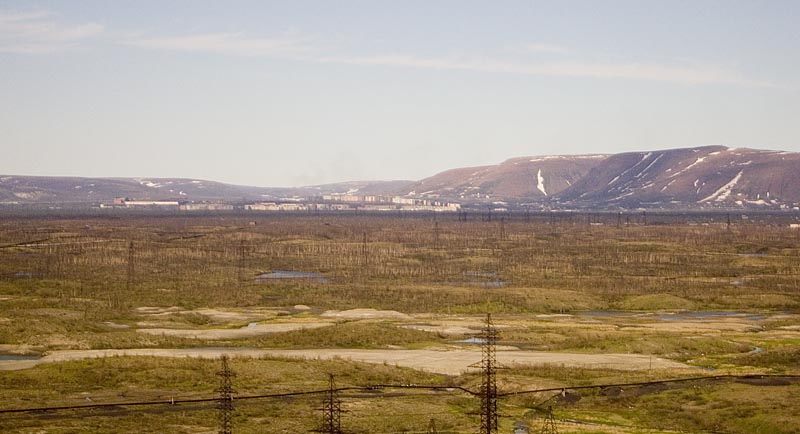
Forest-tundra landscape example (Norilsk, Russia environment) Образец заповедной  (2006-06-26) Photo: Grain

File:Brat i sestra nakhodka.jpg

The cliffs Brat ("Brother") and Sestra ("Sister") in the environs of Nakhodka, 2006. Photo: adfoto